
Key Takeaways
Understanding Mold & Safety
- Mold requires moisture, food source, and optimal temperature to grow
- Always wear protective gear (gloves, N-95 mask) when dealing with mold
- Professional help is needed for areas larger than 10 square feet
- Proper ventilation is essential during mold removal
Why Avoid Bleach
- Bleach can’t penetrate porous surfaces effectively
- It loses effectiveness over time
- Creates toxic fumes when mixed with other cleaners
- Can damage surfaces and contribute to indoor air pollution
- May actually promote mold growth on porous surfaces by adding moisture
Effective Natural Alternatives
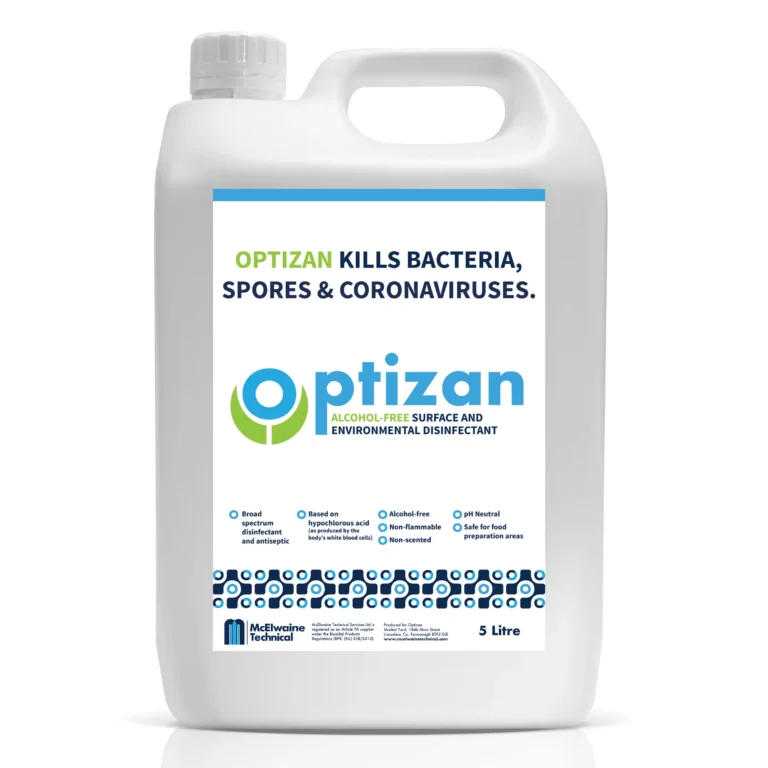
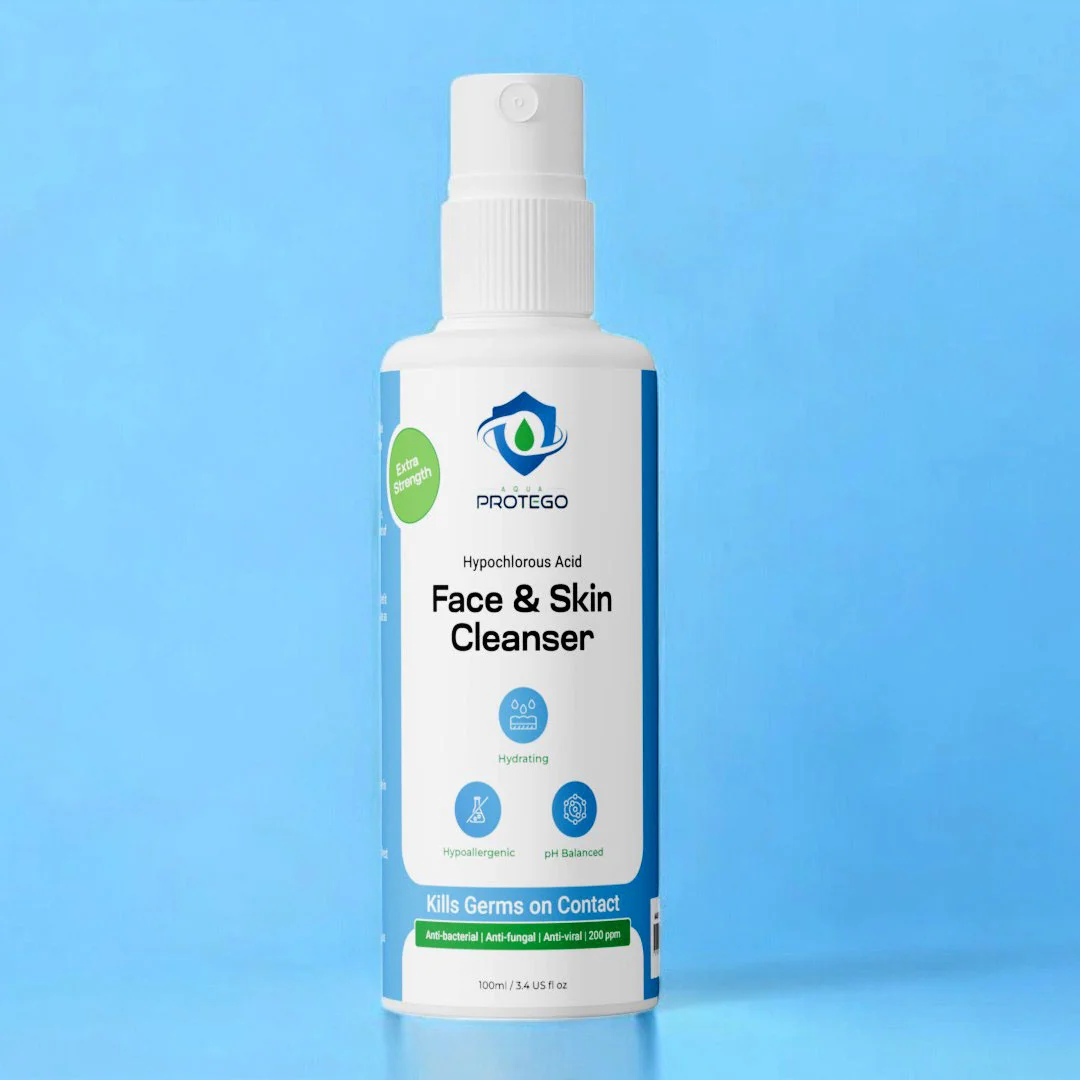
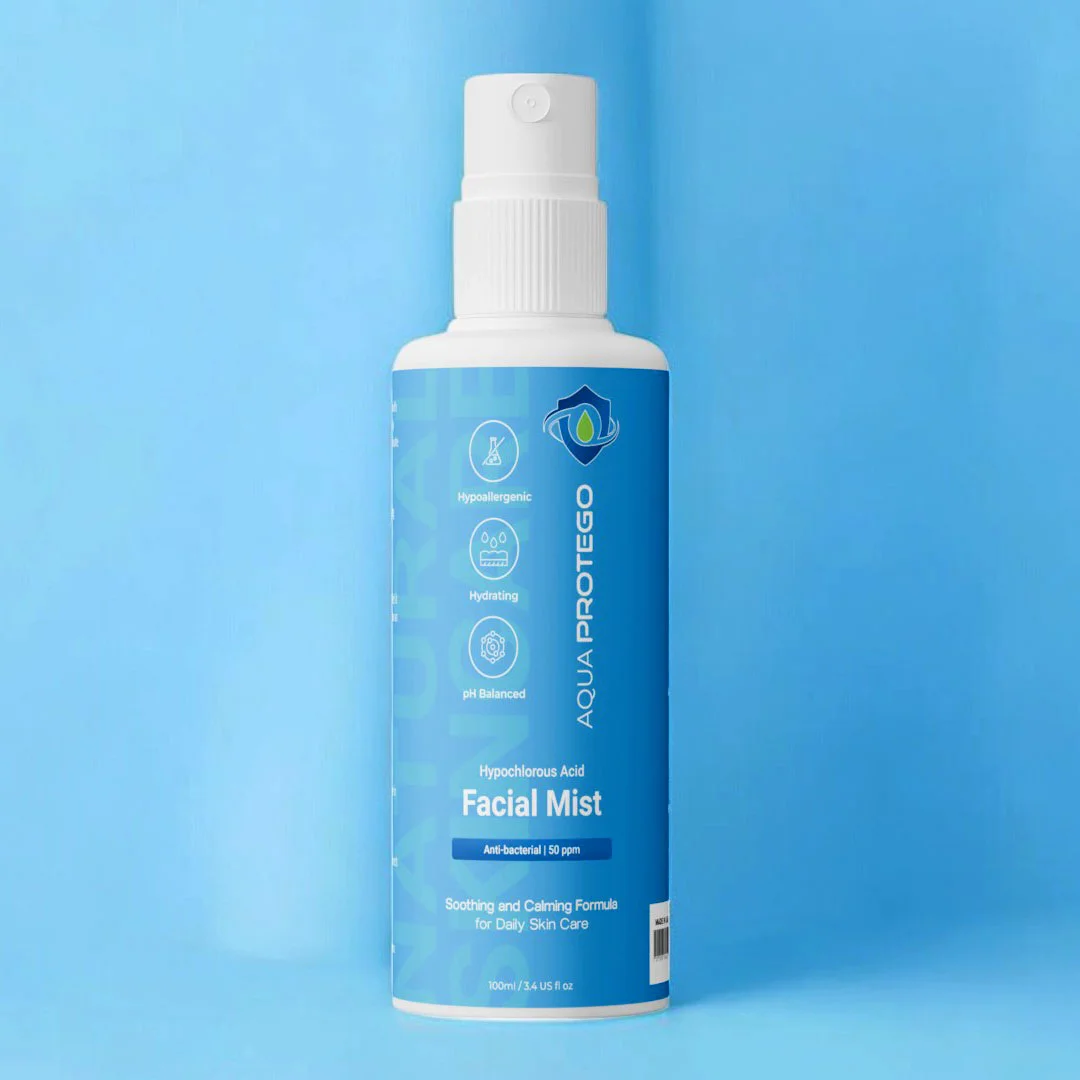
- Hypochlorous Acid (HOCl)
- Vinegar
- Hydrogen Peroxide
- Other Natural Options
Prevention Tips
- Control humidity levels (keep below 60%)
- Fix water leaks immediately
- Improve ventilation in moisture-prone areas
- Regular inspection of problem areas
- Use dehumidifiers in basements and bathrooms
When to Call Professionals
- Mold covers large areas (>10 square feet)
- Hidden mold behind walls
- Mold in HVAC systems
- After major water damage
- If you have severe health conditions
Understanding Mold: What Is It and Why Is It a Problem?

- Moisture (relative humidity above 60%)
- A food source (organic materials like wood, paper, or fabric)
- Optimal temperature (usually between 41-100°F)
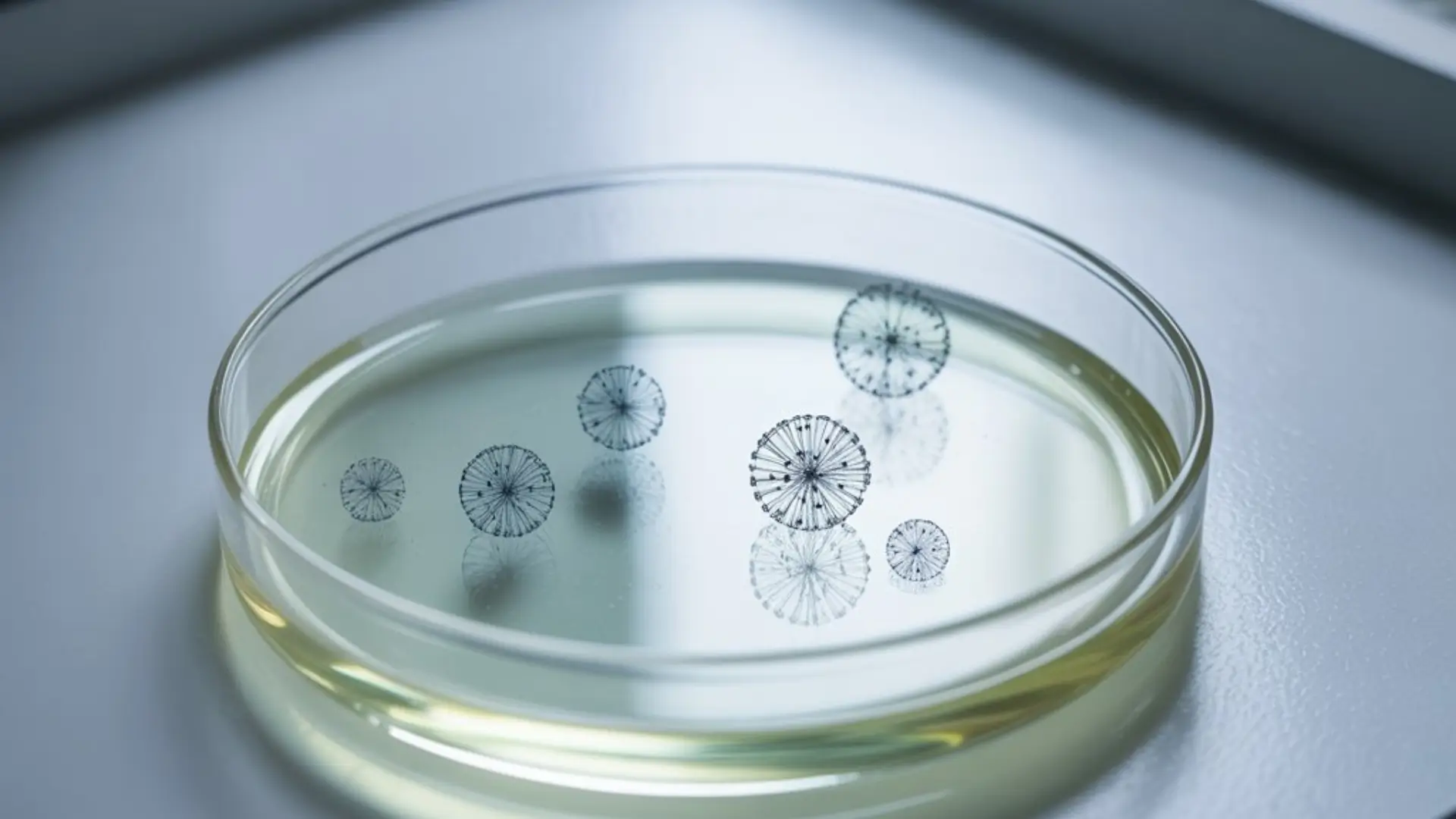
When these conditions align, mold spores can begin colonizing within 24-48 hours. The visible mold you see is actually just the tip of the iceberg – beneath the surface, mold can penetrate deep into porous materials.
Why is mold dangerous to your health?
- Respiratory problems like coughing and wheezing
- Allergic reactions including sneezing, runny nose, and skin rashes
- Headaches and fatigue
- More severe symptoms in people with compromised immune systems
Beyond health concerns, mold can also cause structural damage to your home by breaking down materials like wood and drywall..
Common types of mold found in homes
The most frequent household mold species include:
- Aspergillus – Often found on foods and in air conditioning systems
- Cladosporium – Common on fabrics and wood surfaces
- Stachybotrys (black mold) – Typically grows on cellulose-rich building materials
- Penicillium – Found on water-damaged materials
Identifying Mold: How Do You Know If You Have a Mold Problem?
What are the signs of mold growth in your home?
Visual Indicators:
- Dark spots or clusters on walls, ceilings, or floors
- Discoloration of surfaces, often in green, black, or brown hues
- Water stains that may indicate hidden mold growth
- Peeling, bubbling, or cracking paint or wallpaper
Physical Signs:
- Persistent musty, earthy odor
- Increased allergy symptoms indoors
- Areas that feel damp or have visible moisture
- Warping of wood or drywall
How can you detect mold in hidden areas?
Mold often grows in concealed spaces where moisture accumulates. Common hidden mold locations include:
- Behind wallpaper or drywall
- Under carpets and padding
- Inside ductwork and HVAC systems
- Behind bathroom tiles
- Around window frames
- In crawl spaces and attics
Professional mold inspectors use specialized tools like:
- Moisture meters to detect dampness in walls
- Infrared cameras to identify temperature variations indicating moisture
- Air sampling devices to measure mold spore concentrations
What should you do if you suspect mold in your home?
If you spot mold in your home, don’t panic – but do act quickly. Taking photos of the affected area is a good first step, as this helps document the problem and track any spread.
Look around the moldy area for obvious water sources like leaky pipes or roof damage. Finding and fixing these water problems is crucial, or the mold will just keep coming back.
For small patches of mold (smaller than about 10 square feet), you can usually handle the cleanup yourself. Just make sure to wear safety gear – gloves, goggles, and an N-95 mask are must-haves.
But some mold problems need professional help. Call the experts if the mold covers a large area, if you have health issues that mold could make worse, or if you think you might have toxic black mold.
Finding mold in your HVAC system is another time to bring in the pros. Trying to clean air ducts yourself can actually spread mold spores all through your house.
Yes, professional mold removal costs more than DIY. But it’s way cheaper than fixing major structural damage or dealing with serious health problems later on.
What are the downsides of using bleach for mold removal?
Bleach is great at cleaning surface mold on non-porous materials like glass or tile. But it’s pretty much useless on porous surfaces like wood or drywall – and that’s where most mold grows.
When you use bleach on wood or drywall, only the water part of the bleach soaks in. The chlorine stays on the surface. This extra moisture can actually feed the mold growing inside the material.
The health risks of using bleach are significant. The fumes can irritate your eyes, nose, and throat, trigger asthma attacks, and even cause chemical burns if it contacts your skin.
According to SDS documents, bleach (sodium hypochlorite) can cause severe skin burns and eye damage. It’s also corrosive to metals and can create dangerous gases when mixed with other cleaners.
Prolonged exposure to bleach fumes can cause:
- Breathing difficulties
- Headaches and dizziness
- Nausea and vomiting
- Eye, nose, and throat irritation
For people with asthma or other respiratory conditions, using bleach can be particularly dangerous. The strong fumes can trigger severe reactions and make breathing difficult.
Are there safer alternatives to bleach for mold remediation?
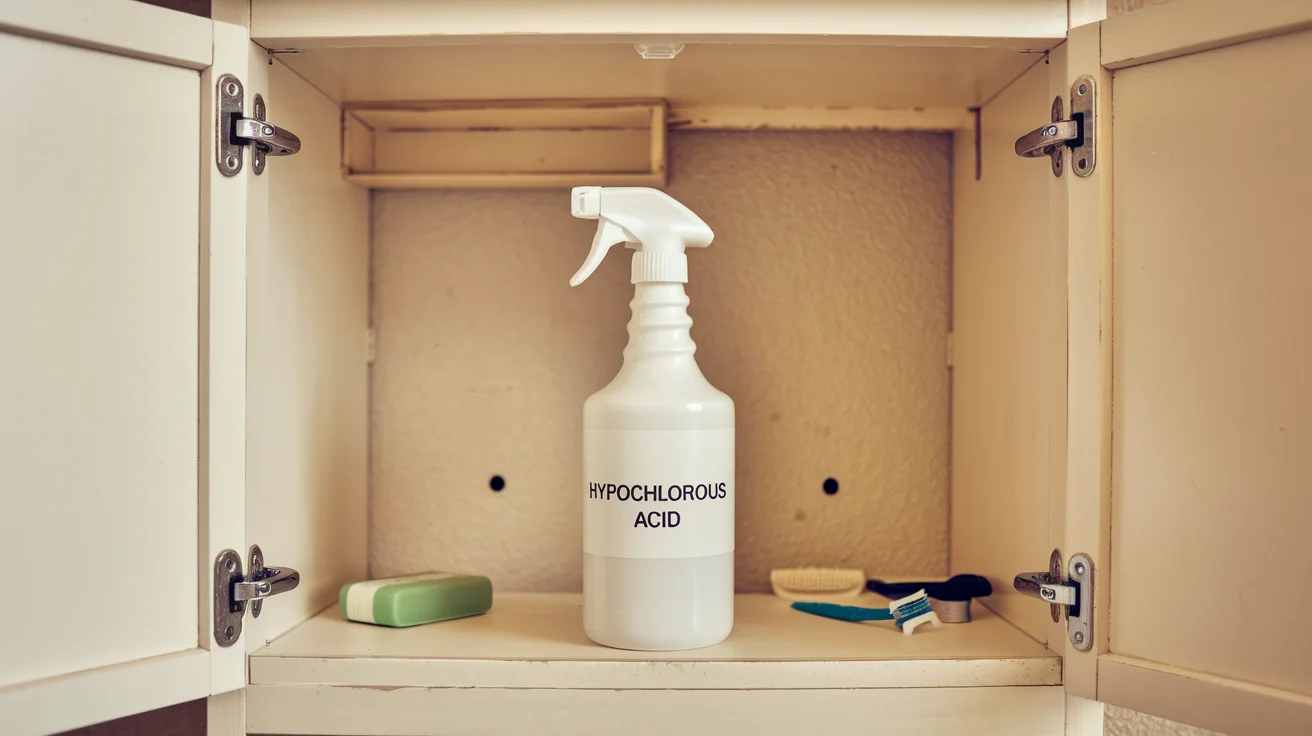
Hypochlorous acid (HOCl) is one of the most effective and safest alternatives. Unlike bleach, it’s non-toxic, won’t damage surfaces, and kills many mold & fungi within minutes.
Vinegar is another great option, killing many common mold species. You can use it at full-strength, and it’s safe on most surfaces. Plus, it’s super cheap and probably already in your kitchen.
Hydrogen peroxide (3% solution) also works well, especially on surfaces that might get stained by other cleaners. It breaks down into just water and oxygen, so it’s environmentally friendly too.
How does bleach affect the environment and indoor air quality?
Bleach doesn’t just irritate your nose – it can create toxic fumes that harm your lungs. This is especially dangerous in small, poorly ventilated spaces like bathrooms where people often use it.
When bleach mixes with other cleaners (even vinegar), it can release dangerous chlorine gas. Even on its own, it adds harmful volatile organic compounds (VOCs) to your indoor air.
Bleach can also contaminate water systems and harm aquatic life when it goes down the drain. Plus, its production and transportation have a significant environmental impact.
Natural Alternatives to Bleach: What Are Your Options?
Hypochlorous Acid – A Safer & More Effective Alternative to Bleach for Mold
Hypochlorous acid (HOCl) is nature’s own disinfectant that your immune system produces to fight infections. It’s 80-100 times more effective than bleach while being completely safe and non-toxic.
HOCl kills 99.99% of mold and its spores within minutes. Unlike bleach, it can penetrate porous surfaces like wood and drywall to tackle deep-rooted mold problems.
For a deeper dive into HOCl’s mold-fighting abilities, check out our detailed guide on does hypochlorous acid kill mold.
Or more detailed information regarding Hypochlorous acid, check out these helpful resources:
Our comprehensive guide on how hypochlorous acid is formed
Learn about an eco-friendly cleaning option in electrolyzed water for cleaning
Compare cleaning solutions in hypochlorous acid vs bleach
How does vinegar work to kill mold?
White vinegar is another naturally effective solution against common mold species.
Its natural acidity breaks down mold structures and prevents regrowth.
Use full-strength white vinegar – don’t dilute it. Just spray it directly on the moldy area and let it sit for at least an hour. No need to wipe it off; the vinegar smell will fade as it dries.
Studies by Rogawansamy et al. (2015) found vinegar effectively inhibits Penicillium (blue-green mold) but shows limited effect against Aspergillus (common indoor mold).
Downsides of using vinegar for mold removal:
- Produces strong odors that persist for hours.
- Can damage natural stone surfaces.
- Limited effectiveness against certain common mold species
- Requires longer contact time than other methods
Want to learn more about vinegar’s disinfecting powers? Read our science-backed article on does vinegar disinfect.
Can baking soda effectively eliminate mold?
Baking soda works well for light mold problems and helps prevent future growth. Its high pH makes it tough for mold to thrive.
Research by Koller (2011) found baking soda shows 90% effectiveness when used preventatively against mold growth.
However, Rutala et al. (2000) documented that it’s less effective than other natural alternatives on established mold.
Mix it with water to make a paste, apply to the moldy area, and scrub gently. You can also combine it with vinegar for extra mold-fighting power – just don’t mix them ahead of time.
What role does hydrogen peroxide play in mold removal?
The 3% hydrogen peroxide solution from your medicine cabinet can kill mold effectively. It works through oxidation, basically burning through the mold’s cellular structure.
Studies by Kure et al. documented a three-log reduction (99.9%) in mold spores during controlled testing.
Additional research by Yaari et al. found that higher concentrations of hydrogen peroxide (above 50,000 ppm) achieved complete elimination of viable mold spores within 4-24 hours.
Spray it on, let it sit for 10 minutes, then scrub and wipe clean. Just be careful on dark fabrics as it can have a slight bleaching effect.
There are, however, downsides to keep in mind:
- Causes discoloration on fabrics and certain surfaces
- Chemical degradation occurs with light exposure
- Requires dark container storage to maintain potency
- Testing shows reduced effectiveness on porous materials
- May damage sensitive surfaces at higher concentrations
How can essential oils be used to combat mold?
Tea tree oil is an uncanny option showing antifungal properties. You might be surprised to hear it’s even on the list!
Research by Hammer et al. (2002) demonstrated that tea tree oil inhibits mold growth at concentrations between 0.004% and 0.25%, varying by species.
While Comparative studies by Rogawansamy et al. (2015) examined multiple natural cleaning agents, finding that essential oils demonstrated measurable antifungal activity against common indoor molds when properly diluted.
Standard application involves mixing 1 teaspoon of essential oil per cup of water and applying to affected areas.
The downsides?
- Higher cost compared to other natural alternatives
- Strong scents may cause respiratory sensitivity
- Risk of staining if improperly diluted
- Effectiveness varies significantly based on oil quality and mold type
- Limited research on long-term effectiveness
Step-by-Step Guide: How to Remove Mold Without Bleach
What materials do you need for effective mold removal?
Before starting, gather these essential items for safe and effective mold removal:
Safety Equipment:
- N-95 respirator or mask
- Protective goggles
- Rubber gloves
- Protective clothing that can be washed after use
Cleaning Materials:
- Your chosen natural mold killer (HOCl, vinegar, or hydrogen peroxide)
- Clean spray bottle
- Scrub brush or cleaning cloths
- Paper towels or disposable rags
- Garbage bags for disposal
What are the steps to safely remove mold from surfaces?
Assess the Situation First, determine if you can handle the mold removal yourself. According to remediation guidelines, areas larger than 10 square feet require professional help.
Prepare the Area
- Improve ventilation by opening windows
- Cover doorways and vents with plastic sheeting to prevent spore spread
- Remove any items from the affected area
Apply Your Chosen Solution For HOCl:
- Spray directly on moldy surfaces
- Allow 1-2 minutes contact time
- Wipe clean with disposable cloth
For Vinegar:
- Apply undiluted white vinegar
- Let sit for at least 1 hour
- Scrub if needed and wipe clean
For Hydrogen Peroxide:
- Spray 3% solution on affected area
- Wait 10 minutes
- Scrub gently and wipe clean
Dry the Area:
- Use fans or dehumidifiers to thoroughly dry the space
- Ensure moisture levels remain below 60% humidity
- Monitor area for several days for any sign of regrowth

How can you prevent mold from returning after removal?
Here’s how to keep mold from coming back:
Control Indoor Humidity:
- Keep indoor humidity below 60% (ideally between 30-50%)
- Use dehumidifiers in damp areas like basements
- Run bathroom fans during and 30 minutes after showers
- Leave space between furniture and walls for air circulation
Fix Water Issues Promptly:
- Repair leaky pipes immediately
- Check and fix roof leaks
- Address seepage in basements or crawl spaces
- Clear gutters regularly to prevent water buildup
Improve Ventilation:
- Open windows when weather permits
- Use exhaust fans in kitchens and bathrooms
- Install vents in crawl spaces
- Consider an HVAC inspection to ensure proper airflow
Regular Inspections:
- Check common problem areas monthly
- Look for water stains or discoloration
- Pay attention to musty odors
- Monitor areas previously affected by mold
Simple Daily Habits:
- Wipe down shower walls after use
- Keep AC drip pans clean
- Avoid carpet in moisture-prone areas
- Don’t leave wet clothes in the washing machine
By focusing on prevention, you’ll save time and money on future mold removal.
Remember – mold needs moisture to grow, so keeping your home dry is your best defense.
When to Call a Professional: Do You Need Help?
Sometimes DIY mold removal isn’t the right choice and you’re better off hiring a professional to do the job.
Here are clear signs you need professional help:
- Large Affected Areas
The EPA recommends professional remediation for areas larger than 10 square feet. That’s about the size of a standard shower curtain.
- Hidden Mold Problems
If you smell mold but can’t see it, professionals have specialized equipment to detect mold inside walls, under floors, or in HVAC systems.
- Health Conditions
If you or family members have the following health conditions, its best to look for an expert.
- Asthma or respiratory issues
- Weakened immune systems
- Allergies to mold Let the pros handle it to avoid health risks.
- After Water Damage
Professional help is crucial following:
- Flooding
- Sewage backups
- Hidden leaks that went unnoticed
- Water damage from firefighting efforts
How can you find a reputable mold removal specialist?
You’re better off finding someone that charges more than someone who offers cheaper services & doesn’t get the job done adequately.
Look for these qualifications when choosing a mold remediation company. Proper certification from organizations like IICRC (Institute of Inspection Cleaning and Restoration Certification) or the following:
- At least 5 years of experience in mold remediation
- Valid insurance and licenses
- Clear, detailed written estimates
- References from past clients
What questions should you ask potential mold removal services?
Before hiring, consider asking these essential questions:
- Can you provide a detailed inspection and remediation plan?
- What testing methods do you use to detect mold?
- How do you prevent mold spores from spreading during removal?
- Will you identify and fix the moisture source causing the mold?
- Do you provide a written guarantee for your work?
- What precautions do you take to protect my home during remediation?
Final Thoughts: How Can You Maintain a Mold-Free Home?
A mold-free home requires ongoing vigilance and good habits. Here’s how to keep your home healthy and mold-free.
What proactive measures can you take to prevent mold growth?
Keep your indoor environment stable by maintaining proper temperature and humidity levels. Remember: mold thrives in humidity above 60%.
Do seasonal checks of common trouble spots:
- Around windows and doors
- Under sinks
- In basements and crawl spaces
- Around appliances that use water
The faster you act on water issues, the less likely mold will develop:
- Clean spills immediately
- Fix leaks as soon as you spot them
- Address condensation problems quickly
- Dry wet areas within 24-48 hours
How often should you inspect your home for mold?
Check these areas monthly.
- Bathrooms (especially around tubs and toilets)
- Kitchen sink areas
- Windowsills and frames
- Basement walls and floors
Check these areas seasonally.
- Roof and gutters
- HVAC systems
- Crawl spaces
- Attic areas
Remember: maintaining a mold-free home is easier (and cheaper) than dealing with the problem after it develops. Stay proactive and address issues early to keep your home healthy and safe.