
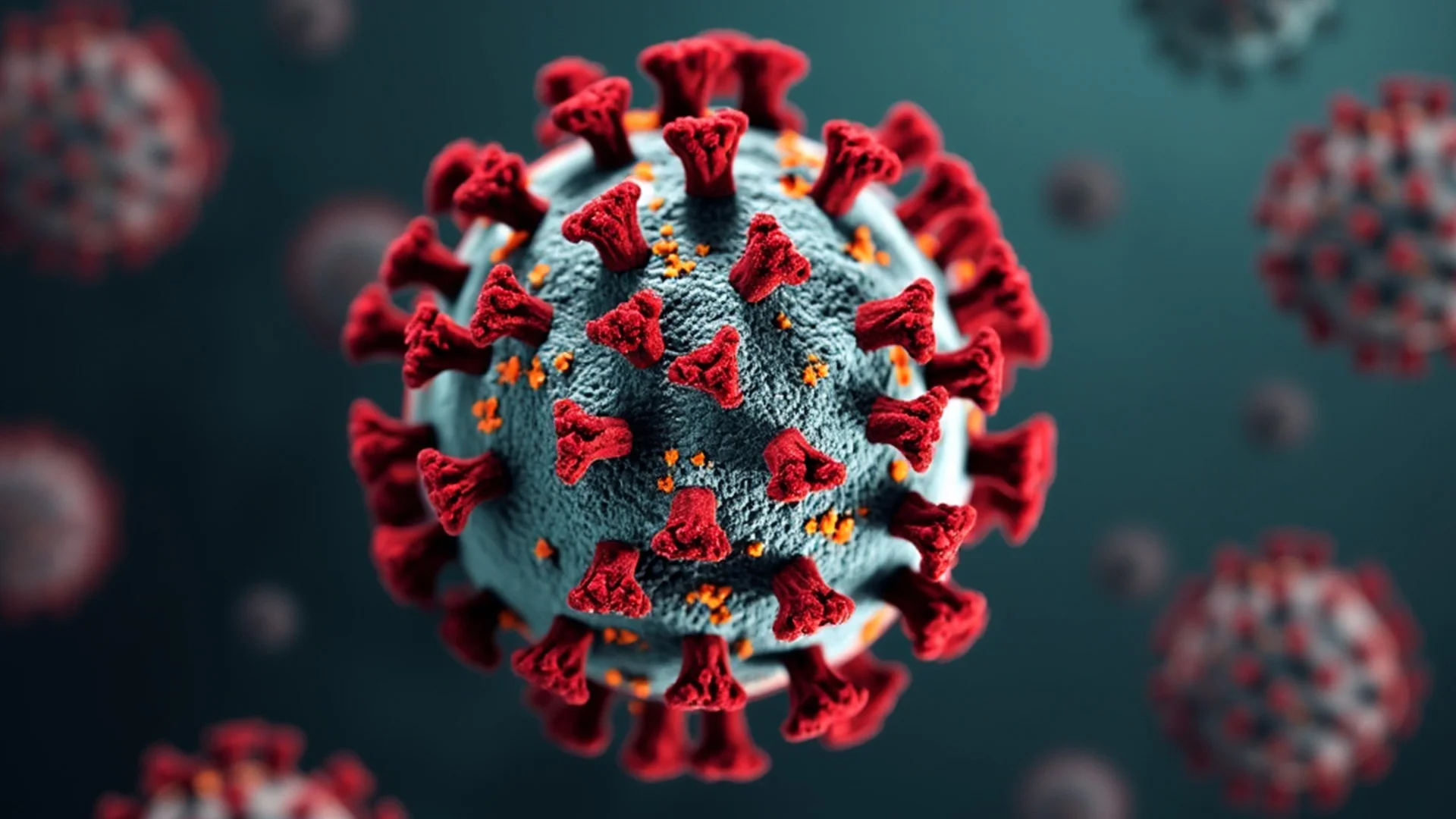
Does hypochlorous acid kill covid? Yes, hypochlorous acid is effective against COVID-19. Hypochlorous acid (HOCl) is one of the substances approved by the EPA for its ability to fight SARS-CoV-2, the virus behind COVID-19, along with other Tier 1 enveloped viruses such as M.Pox.
Do you know how the Covid-19 pandemic has turned everyone into amateur chemists?
As someone who’s spent way too many hours reading research papers (seriously, my browser history is just “HOCl” and “football videos” at this point), I’m super excited to share something that’s been hiding in plain sight: hypochlorous acid.
And believe it or not, most people you ask are going to look at you dumb-founded, or they’ll wonder why your skin’s not burning judging from the “acid” in hypochlorous.
This article will examine HOCl’s efficacy against coronavirus disease in more detail.
Key Takeaways
Quick Answer: Yes, hypochlorous acid (HOCl) effectively kills COVID-19 and is EPA-approved for use against SARS-CoV-2.
Main Points:
- Most effective concentration: 200 ppm kills 99.99% of virus in under 1 minute
- Even at lower concentrations (20 ppm), it’s effective within 10 minutes of contact time
Why It’s Great:
- Safe for skin and surfaces (your immune system naturally produces it)
- More gentle than regular bleach
- Eco-friendly (breaks down into salt water)
- No harmful residues
- Can be used as spray, wipe, or fog
How It Works:
- Disrupts virus’s outer layer
- Creates reactive oxygen species
- Prevents virus from infecting cells
Best Practices:
- Store in dark bottle away from sunlight
- Don’t mix with other cleaning products
- Use as is – most commercial products are pre-diluted to optimal concentration
- Let sit for about 1 minute at room temperature for best results

Why Hypochlorous Acid Should Be Your New Disinfectant. (The Chemistry You'll Actually Want to Know)
During the Covid-19 pandemic, researchers discovered something fascinating about how to properly dilute HOCl for maximum effectiveness.
Unlike sodium hypochlorite (that’s regular bleach to most of us), you don’t need to dilute HOCl much to get great results.
We’re talking about a solution that’s already pretty gentle on your skin and surfaces while still being tough on pathogens.
The Science Behind Why HOCl Works
Your immune system actually makes hypochlorous acid naturally. When you get a cut or infection, your white blood cells (specifically macrophages and neutrophils) produce HOCl as part of their pathogen-fighting arsenal. It’s like having your own tiny chemical weapons factory!
Studies at different concentrations show that HOCl is particularly effective at 200 ppm (parts per million).
At this concentration, it achieves maximum virucidal activity against SARS-CoV-2 in less than a minute at room temperature. (Several independant studies show a 99.99% reduction in 30 seconds or less.)
This is where electrolyzed water also comes into play – it’s how we can make HOCl in larger quantities for disinfection purposes through a process known as “electrolysis”.

The Real Deal with Covid-19 and HOCl
Okay, remember all those times during the COVID-19 pandemic when everyone was panic-buying cleaning supplies?
(My local store looked like a tornado had hit the cleaning aisle!) Well, the World Health Organization and various institutes of health have been studying the virucidal efficacy of HOCl against the severe acute respiratory syndrome coronavirus 2 (that’s the fancy name for the virus that causes COVID-19).
When researchers used hypochlorous acid solution at 200 ppm, they found it could effectively inactivate the novel coronavirus virus in less than a minute, stopping transmission through droplets and aerosols.
Even better, when diluted to 20 ppm, the viricidal activity of Hypochlorous acid was potent enough to decontaminate surfaces carrying viruses within a 10-minute contact time.
The Nerdy (But Important) Details About How It Actually Works
Let me break down the materials and methods researchers have been using (because I know some of you love this stuff as much as I do!). When cells were cultured in lab conditions, they found that HOCl works through several mechanisms:
- It disrupts the virus’s outer layer (imagine popping a water balloon)
- Creates reactive oxygen species (like tiny molecular warriors)
- Interferes with the virus’s ability to infect cells (bye-bye, Covid!)

Why It's Better Than Regular Bleach
Here’s something cool about chlorine concentration – when you dilute regular sodium hypochlorite (bleach), you need to be super careful about getting the ratios right. Too strong? You’ll ruin your surfaces and maybe your lungs. Too weak? Not enough virus-killing power. But acidic hypochlorous acid is different!
The effect of HOCl at even a low concentration is pretty impressive. (It can kill most of your commonly found viruses within a minute of surface-contact by 99.99%)
Plus, unlike bleach, it doesn’t leave harmful residues behind. The residual chlorine concentration is actually beneficial rather than harmful – it keeps working for a while after application without damaging surfaces or irritating your skin.

Real-World Applications (Because Science Should Be Useful!)
During the evaluation of sprayed hypochlorous acid solutions, researchers found some pretty exciting applications. The potential use of hypochlorous acid extends way beyond just surface cleaning:
- It’s amazing for wound care (your immune system already knew this!)
- Works great in droplets and aerosols for air purification
- Perfect for disinfecting high-touch surfaces
- Can be used through dry fogging hypochlorous acid solution systems
How to Actually Use This Stuff (The Practical Guide)
Ready to try using HOCl solution? Here’s what you need to know:
For general cleaning:
- Use a 200 ppm solution (the sweet spot for virucidal activity)
- No need to dilute most commercial HOCl products
- Apply through spray or wipe
- Let it sit for ~1 min at room temperature
For advanced applications:
- Consider a fogging system for large spaces
- Look into electrolyzed water systems
- Use neutral electrolyzed water for sensitive surfaces
Some guidelines to ensure maximum efficacy:
- Storage Matters: Keep your hypochlorous solution in a dark bottle away from direct sunlight
- Don’t Mix: Like any cleaning product, use it on its own – don’t play amateur chemist!

Is Hypochlorous Acid Eco-Friendly?
HOCl is surprisingly eco-friendly, unlike many harsh chemicals used during the COVID-19 pandemic, which resulted in a 20% increase in calls to poison centres due to accidental ingestion or improper use of household chemicals.
When you’re done using HOCl, it breaks down into basically salt water. No nasty chemical residues, no environmental damage, no guilt about what happens after it goes down the drain!
Latest Research Findings On Hypochlorous Acid
As total HOCl nerds, Our team has been glued to the latest studies coming out about HOCl. Let me break down the most exciting findings from recent research:
2024 Breakthroughs in Virus Inactivation
The team at Kubo et al. (2024) [1] just published some mind-blowing results about HOCl’s effectiveness against different SARS-CoV-2 variants. They tested hypochlorous acid solution against both the original Wuhan strain and the Delta variant – and guess what? It worked amazingly well on both! We’re talking about significant virucidal activity when the solution was atomized on plastic surfaces. Think about all those high-touch areas we’re constantly worried about!
What makes this study particularly cool is how they looked at droplets and aerosols too. Using a specialized chamber to reduce virus transmission, they found that HOCl mist could effectively inactivate airborne viral particles. This is huge for thinking about how we might make indoor spaces safer!
Clinical Applications and Therapeutic Potential
Remember how I mentioned wound care earlier? Well, Abner’s 2023 study [2] showed something super exciting: using HOCl as an intranasal lavage (Nasal Irrigation) actually helped reduce symptoms in Covid-19 patients.
Safety Profile Deep Dive: Cell Studies Tell All
Benedusi’s team (2022) [4] went ALL IN on safety testing. They used both 2D and 3D models of skin and lung tissue to test acidic hypochlorous acid. Here’s where it gets really interesting – they looked at:
- Cellular viability after repeated exposure
- Impact on cell morphology
- Long-term effects on tissue structures
- Potential inflammatory responses
HOCl passed these tests with flying colors! As someone who’s very picky about what I put on my skin (and recommend to others), this kind of safety data made our team do a little science victory dance.
The really exciting part? We’re seeing a shift from just using HOCl as a surface disinfectant to exploring its potential in creating protective environments. Imagine walking through a fine mist of HOCl that’s actually helping protect you – it’s like something out of a sci-fi movie, except it’s real science!
References:
[1] Kubo et al. (2024) – “Evaluation of HOCl efficacy against SARS-CoV-2 variants through droplets and aerosols”
[2] Abner (2023) – “Clinical trials of intranasal HOCl in COVID-19 symptom reduction”
[3] Hatanaka et al. (2022) – “Comparative analysis of chlorine-based disinfectants in organic matter conditions”
[4] Benedusi et al. (2022) – “Safety evaluation of aerosolized HOCl on human tissue models”
[5] Gessa-Sorroche et al. (2021) – “Optimal concentration determination for HOCl in SARS-CoV-2 inactivation”

Resources and Further Reading
For my fellow science nerds who want to dive deeper, here are some great resources:
Scientific Papers
- Hypochlorous acid as an antiseptic in the care of patients with suspected COVID-19 infection – (Gessa-Sorroche et al., 2021)
- HOCl as a Promising Candidate for Effective Containment of Covid 19 From Biological and Non-Biological Surfaces – (Sandeep et al., 2021)
- Virucidal efficacy of hypochlorous acid water for aqueous phase and atomization against SARS-CoV-2 – (Kubo et al., 2024)
- Intranasal lavage with hypochlorous acid safely reduces the symptoms in the ambulatory patient with COVID-19 –
(Abner, 2023) - The Lesson Learned from the COVID-19 Pandemic: Can an Active Chemical Be Effective, Safe, Harmless-for-Humans and Low-Cost at a Time? Evidence on Aerosolized Hypochlorous Acid – (Benedusi et al., 2022)
Official Guidelines
- World Health Organization recommendations for cleaning and disinfection
- National Institutes of Health protocols for virus inactivation
- CDC guidelines for Covid-19 infection control
Remember: while the Covid-19 pandemic has made us all more aware of disinfection, it’s also taught us that simple solutions (like HOCl) can be incredibly effective. Keep experimenting, stay curious, and never stop asking questions!
Got experience with HOCl? Share your stories in the comments! And don’t forget to subscribe to our newsletter for more science-based content that’s actually fun to read!
Last updated: November 2024
Note: While we love getting excited about science, always follow product instructions and consult healthcare providers for medical advice. Stay safe and keep experimenting!
The Bottom Line
After spending way too much time reading about the effectiveness of hypochlorous acid (my family now thinks I’m obsessed), I can confidently say that this stuff is pretty amazing. It’s like having a smart prefabricated weapon against virus transmission that’s also gentle enough to use every day.
Remember: while HOCl might sound like something from a scary chemical list, it’s actually your immune system’s favorite cleaning product. And in these pandemic times, couldn’t we all use a friend who’s good at cleaning?
Recent studies suggest we’re just scratching the surface of what HOCl can do. From its efficacy and safety in healthcare settings to its potential use in public spaces, researchers at various institutes of health are continuing to explore new applications and you can be sure we’ll be covering all of them as they come up!
Have you tried using HOCl products? Drop a comment below – I’d love to hear about your experiences!
Frequently Asked Questions
Unlike regular sodium hypochlorite that makes you want to hold your breath, HOCl is remarkably gentle. Remember how I mentioned your immune system makes this stuff? That’s why the efficacy of hypochlorous acid water comes with such a great safety profile. When cells were cultured with HOCl in safety studies, they basically shrugged it off – while pathogens weren’t so lucky!
The magic number you’re looking for is around 200 ppm for effective chlorine concentration. Most commercial products will come pre-diluted to the right level (thank goodness, because who wants to do math while cleaning?). If you’re using concentrated HOCl, though, you’ll need to dilute according to the manufacturer’s instructions.
Neutral electrolyzed water is actually how a lot of HOCl is made. Through some cool electrolysis chemistry, regular salt water gets transformed into hypochlorous solution.


