
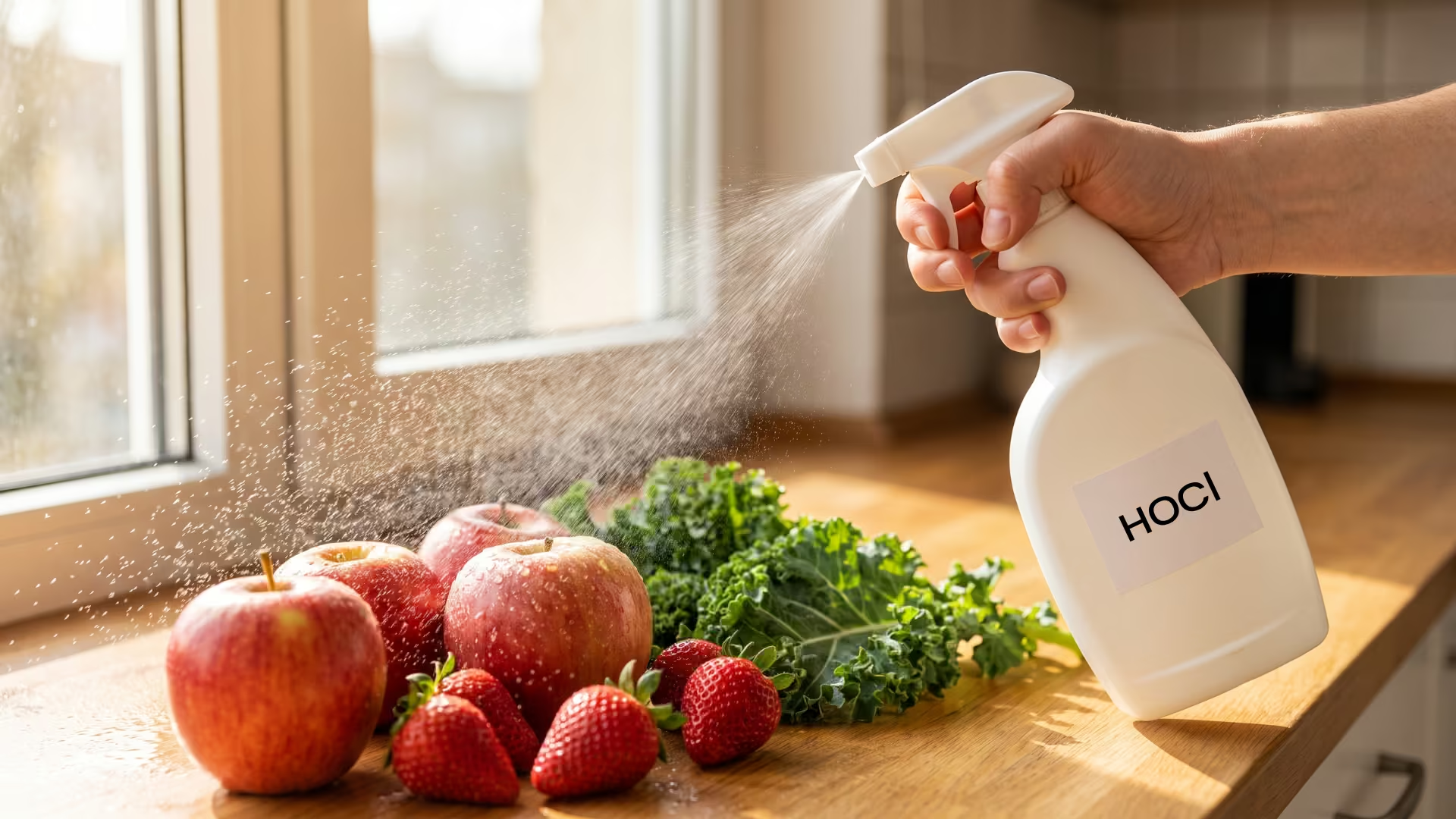
Yes. Hypochlorous acid (HOCl) is cleared by the FDA as a food contact substance and listed by the USDA for use on organic produce, which makes it one of the few disinfectants you can spray directly onto fruits and vegetables. It works by oxidizing the outer layer of bacteria, mold spores, and pesticide residue on the skin, then breaking down into salt and water once the job is done.
Key Takeaways
- HOCl is FDA-cleared as a food contact substance and USDA-listed for organic handling, within set chlorine limits.
- It oxidizes pathogens and pesticide residue on contact, then breaks down into saltwater.
- It's gentler and safer than bleach, which is corrosive and needs a careful rinse step.
- A quick spray or soak, followed by a rinse if you like, is usually enough for produce.
- USDA and Safe Drinking Water Act rules cap residual chlorine at 4 mg/L for water in direct food contact.

What Is Hypochlorous Acid and Why It's in Your Produce Wash
Hypochlorous acid is a weak acid your immune system already makes. White blood cells produce it to fight off bacteria and viruses, which is part of why it’s non-toxic to human tissue even at disinfecting strength.
The version in a spray bottle isn’t harvested from anyone’s bloodstream, of course. It’s made through electrolyzed water, a process where mild saltwater runs through a hypochlorous acid generator and gets split apart electrically. What comes out is a dilute HOCl solution sitting at a near-neutral pH of 5 to 7?
That pH matters more than people think. Sodium hypochlorite (regular bleach) sits at pH 12 to 13, which is why it’s classified as corrosive and can burn skin on contact. HOCl carries no such risk, and that’s exactly why hospitals, food processors, and now home kitchens have started reaching for it.
The version in a spray bottle isn’t harvested from anyone’s bloodstream, of course. It’s made through electrolyzed water, a process where mild saltwater runs through a hypochlorous acid generator and gets split apart electrically. What comes out is a dilute HOCl solution sitting at a near-neutral pH of 5 to 7?
That pH matters more than people think. Sodium hypochlorite (regular bleach) sits at pH 12 to 13, which is why it’s classified as corrosive and can burn skin on contact. HOCl carries no such risk, and that’s exactly why hospitals, food processors, and now home kitchens have started reaching for it.
Does Hypochlorous Acid Remove Pesticide Residue From Produce?
Somewhat, yes. HOCl is an oxidizer, meaning it breaks down organic compounds sitting on a surface, pesticide residue included. It won’t strip everything (some residue absorbs into the produce itself), but it does more than a plain water rinse manages on its own.
A USDA National Organic Standards Board recommendation formally classified electrolyzed-water HOCl as an allowed synthetic for disinfecting food contact surfaces, provided residual chlorine in the wash water stays under the Safe Drinking Water Act’s 4 mg/L limit. That’s a meaningful distinction. It isn’t a loophole product , regulators looked at it directly and set clear boundaries around its use. Compare that to a bowl of water and nothing else.
Plain water alone tends to leave far more residue and pathogen load behind than any active sanitizer, chlorine-based washes included. A rinse under the tap is the bare minimum, not the finish line.
A USDA National Organic Standards Board recommendation formally classified electrolyzed-water HOCl as an allowed synthetic for disinfecting food contact surfaces, provided residual chlorine in the wash water stays under the Safe Drinking Water Act’s 4 mg/L limit. That’s a meaningful distinction. It isn’t a loophole product , regulators looked at it directly and set clear boundaries around its use. Compare that to a bowl of water and nothing else.
Plain water alone tends to leave far more residue and pathogen load behind than any active sanitizer, chlorine-based washes included. A rinse under the tap is the bare minimum, not the finish line.

Hypochlorous Acid vs. Bleach for Washing Fruits and Vegetables
The safety data sheets tell the real story here. Sodium hypochlorite, the active ingredient in household bleach, is classified as corrosive to skin with hazard statement H314 , causes severe skin burns and eye damage — even at concentrations as low as 10 to 20%. It’s also flagged for aquatic toxicity, so runoff genuinely harms fish and waterways.
HOCl at typical use concentrations carries none of that baggage:
HOCl at typical use concentrations carries none of that baggage:
- Bleach: pH 12-13, corrosive to skin and eyes, needs a thorough rinse before food contact, toxic to aquatic life.
- HOCl: pH 5-7, close to the body’s own chemistry, non-corrosive, safe on skin, breaks down into saltwater.
- Vinegar: mildly acidic, reduces some surface bacteria but isn’t EPA-registered as a disinfectant and does little for pesticide residue.
- Baking soda: helps lift light residue through mild abrasion, but has no real antimicrobial effect alone.
None of this makes bleach unsafe in its intended setting. It just wasn’t designed for direct food contact, and using it on produce carries real risk if dilution or rinsing goes wrong. HOCl was built around that exact gap.

How to Use Hypochlorous Acid to Wash Fruits and Vegetables
Using it feels closer to a spray cleaner than a science experiment.
- Spray and wipe. Mist a food-grade HOCl solution (typically 100-200 ppm) onto firmer produce like apples or peppers, let it sit 30 to 60 seconds, then wipe or rinse.
- Soak in a bowl. For leafy greens or berries, soak in diluted HOCl for a minute or two, then drain.
- Rinse if you want. Not strictly necessary given HOCl’s non-toxic profile, but a fair habit for kids’ food or picky eaters.
- Store as usual. Pat dry and store in the refrigerator; no special handling needed afterward.
One thing worth knowing: HOCl solutions lose potency with time and light exposure, so a bottle mixed weeks ago won’t perform like a fresh batch. Worth a look at how to store hypochlorous acid to maximize shelf life if you’re keeping some on hand rather than generating it fresh.

What This Means for Your Kitchen
Whether you’re rinsing berries for a toddler’s snack or prepping produce for forty covers a night, the goal is the same: get rid of what shouldn’t be there without adding something new to worry about. That’s really the whole case for hypochlorous acid. It does the disinfecting work without the burns, the fumes, or the “did I rinse this enough” anxiety that comes with bleach.
For home kitchens, a small spray bottle is usually plenty. For restaurants, cafes, and food prep businesses working through higher volumes of produce daily, a bulk hypochlorous acid solution tends to make more sense, both for cost and for keeping a consistent, food-safe sanitizing step built into prep. Either way, it’s one less harsh chemical in the routine, and one less thing to think twice about before dinner.
For home kitchens, a small spray bottle is usually plenty. For restaurants, cafes, and food prep businesses working through higher volumes of produce daily, a bulk hypochlorous acid solution tends to make more sense, both for cost and for keeping a consistent, food-safe sanitizing step built into prep. Either way, it’s one less harsh chemical in the routine, and one less thing to think twice about before dinner.
Frequently Asked Questions
Yes. It’s FDA-cleared as a food contact substance and already used in commercial produce processing and home kitchens alike.
At food-grade dilutions (roughly 100-200 ppm), yes. It’s non-toxic in trace amounts and needs no protective gear to handle, unlike bleach or concentrated hydrogen peroxide.
Skip mixing it with other cleaning chemicals, and avoid industrial-strength HOCl meant for surfaces rather than food. Stick to products labeled for produce use.
Not noticeably. It’s odorless and colorless at the dilutions used for washing produce.
Yes. It’s a broad-spectrum antimicrobial effective against common foodborne pathogens like E. coli and listeria, along with many viruses.


